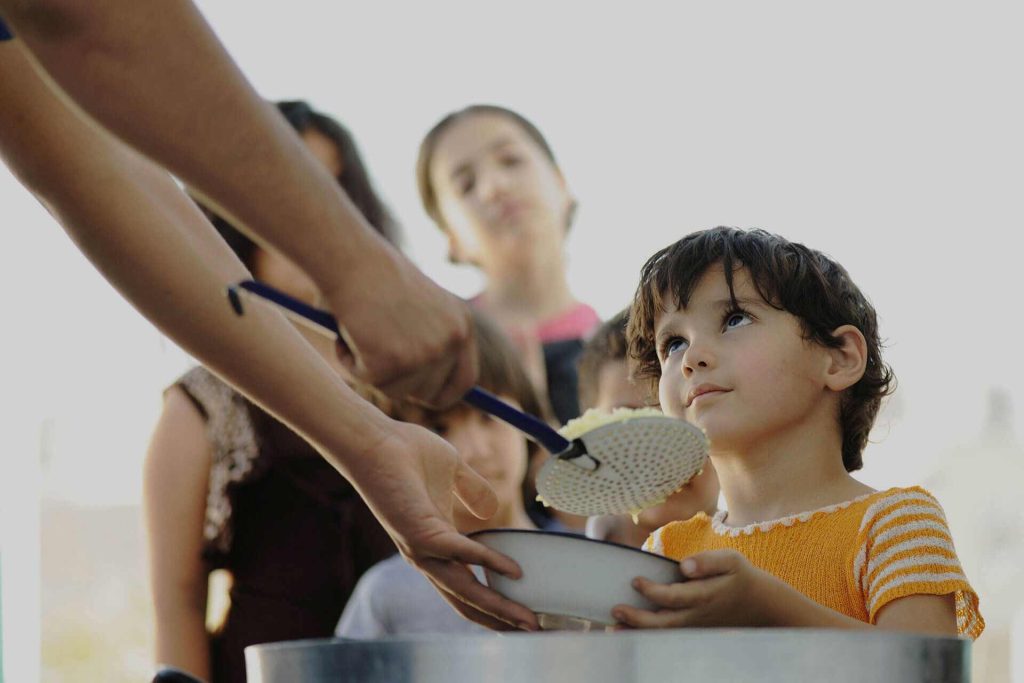
In a world of plenty, where food is abundant and culinary delights are celebrated, it is disheartening to acknowledge that hunger remains a stark reality for millions of children. While we may not be able to solve all the world's problems, we can make a meaningful difference by donating food to help alleviate hunger among impoverished children. In this blog, we'll explore the importance of donating food for poor children and how each act of kindness can be a beacon of hope in their lives.
The Scourge of Childhood Hunger
Childhood hunger is a global crisis that affects millions of children, robbing them of their health, education, and future prospects. According to UNICEF, nearly one in three children worldwide suffers from malnutrition or undernourishment. These children often lack access to a balanced diet, leading to stunted growth, weakened immune systems, and reduced cognitive development.
The Impact of Hunger on Children
-
Health Consequences
Malnutrition can lead to a host of health problems, including anemia, vitamin deficiencies, and increased susceptibility to diseases. It weakens a child's body, making them more prone to illness and hindering their ability to recover. -
Educational Barriers
Hunger and malnutrition can hinder a child's ability to concentrate and learn. Hungry children are more likely to miss school and have lower academic achievements, perpetuating the cycle of poverty. -
Emotional Toll
Hunger takes an emotional toll on children, leading to feelings of shame, sadness, and anxiety. It affects their self-esteem and mental well-being, often resulting in long-lasting emotional scars. -
Weakened Communities
Widespread childhood hunger can have broader societal implications. It weakens communities, as children who suffer from malnutrition are less likely to reach their full potential, contribute to the workforce, and break the cycle of poverty.
While the issue of global poverty and food insecurity may seem daunting, there is a tangible and impactful way to make a difference: donating food to help feed these underprivileged children.
- Australian Care Foundation
The Power of Food Donations
Donating food for poor children is a noble endeavor, and there are various ways you can contribute:
1. Support Local Food Banks
Local food banks and pantries play a crucial role in distributing food to needy children and families. Consider donating non-perishable items or organizing a food drive to collect donations from your community.
2. Contribute to NGOs and Charities
Many reputable non-governmental organizations (NGOs) and charities focus on childhood hunger. Donating to these organizations allows your contribution to reach children in need, even in remote areas.
3. Volunteer Your Time
Aside from donating food, you can volunteer your time at local organizations or schools that provide meals to children. Your presence can make a significant impact on the lives of these young ones.
4. Advocate for Change
Advocacy is a powerful tool in addressing childhood hunger. Raise awareness about the issue among your friends, family, and social networks. Encourage your elected officials to support policies and initiatives aimed at ending childhood hunger.
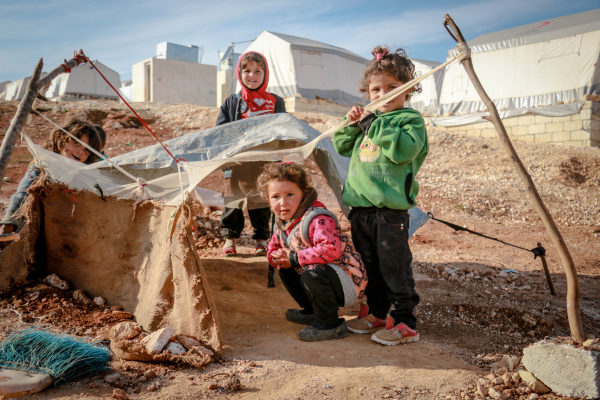

Conclusion
Donating food for poor children is not just an act of charity; it is an investment in the future. By providing nourishment and hope, we empower these children to break free from the shackles of hunger, poverty, and despair. Remember that every meal you contribute can be a beacon of hope in a child’s life, illuminating a path toward a brighter, more promising future. Let us stand together in the fight against childhood hunger and work towards a world where no child goes to bed hungry.