
Addressing the Global Education
Education is often hailed as the cornerstone of progress and development in any society. It empowers individuals, fosters innovation, and drives economic growth. However, despite the progress we've made in recent decades, a stark global education divide persists. Millions of children around the world still lack access to quality education, hindering not only their personal development but also global progress as a whole. In this blog, we will explore the challenges that underlie the global education divide and propose some solutions to address this critical issue.
The Global Education Divide
-
Access to Education
One of the most glaring aspects of the global education divide is unequal access to education. Many children in developing countries lack access to basic educational facilities and resources. Factors such as poverty, gender discrimination, and geographical location often play a role in denying them the right to education. -
Quality of Education
Even when access to education is available, the quality of education varies widely. Disparities in teaching quality, curriculum, and learning materials create a significant gap in learning outcomes. This perpetuates inequality and limits the potential for personal and societal advancement. -
Gender Disparities
Gender inequality remains a major issue in education. In many parts of the world, girls are still less likely to receive an education than boys due to cultural norms and economic constraints. Addressing this issue is crucial for achieving gender equality and empowering women. -
Technological Barriers
The digital divide exacerbates educational inequalities. The COVID-19 pandemic highlighted the importance of technology in education, but many students lack access to the necessary devices and internet connectivity for remote learning.
It's a moral imperative and an investment in a more prosperous, equitable, and sustainable future. By implementing strategies and fostering a global commitment to education, we can work towards a world where every child has the opportunity to learn, grow, and contribute to the betterment of society.
- Australlian Care Foundation
Addressing the Global Education Divide
Investing in Early Childhood Education
Early childhood education is critical for a strong foundation. Governments and organizations can invest in quality preschool programs to ensure that every child, regardless of their socio-economic background, has a fair start in their educational journey.
Teacher Training and Support
Improving the quality of education requires well-trained and motivated teachers. Providing ongoing training and support for educators, especially in underserved areas, can significantly enhance the learning experience.
Digital Inclusion
Bridging the digital divide is crucial in today’s tech-driven world. Governments and organizations can work together to provide affordable access to devices and the internet, ensuring that all students can participate in online learning.
Empowering Girls and Women
Promoting gender equality in education is essential. This involves eliminating gender stereotypes, providing safe learning environments, and implementing policies that support the education of girls and women.
Global Cooperation
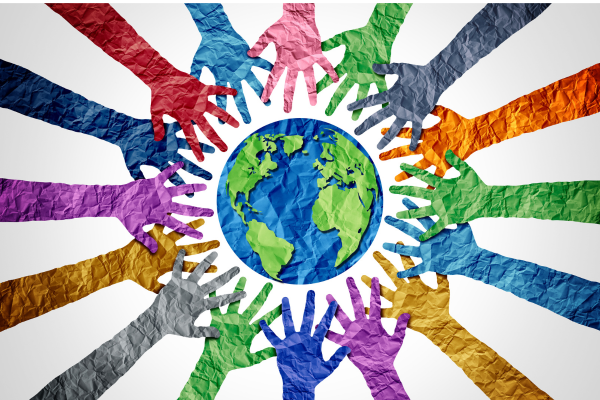
Addressing the global education divide requires international collaboration. High-income countries can assist low-income nations by providing resources, expertise, and technology to improve their educational systems.
Community Engagement
Engaging local communities is vital for the success of educational initiatives. When communities are involved in the decision-making process and take an active interest in education, the impact is often more profound and sustainable.
Conclusion
Addressing the global education divide is not just a moral imperative; it’s an investment in a brighter future for all. Every child, regardless of their background, deserves the opportunity to receive a quality education. By tackling the issues of access, quality, gender disparities, technological barriers, and global inequalities, we can work towards a world where education is a fundamental right for every individual. It’s a challenge that requires collective effort, but the rewards are immense, as a well-educated global population can drive progress, innovation, and sustainable development for generations to come.